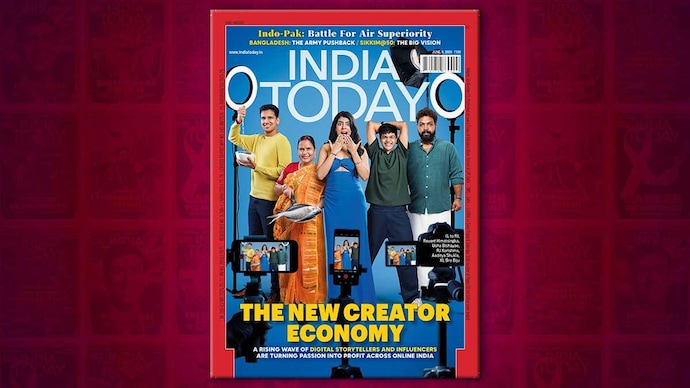
The new creator economy A rising wave of digital storytellers and influencers are turning passion into profit across online India
From the Editor-in-ChiefThere are no moguls or magnates, no masterplan from a management whiz. This New Creator Economy is in fact the new mainstream
India vs Pakistan | The battle for air superiorityThe four-day India-Pakistan conflict showcased modern aerial combat in all its dimensions. The Rafale vs J-10C face-off remains inconclusive, but India's multi-layered air defence system was a clear winner
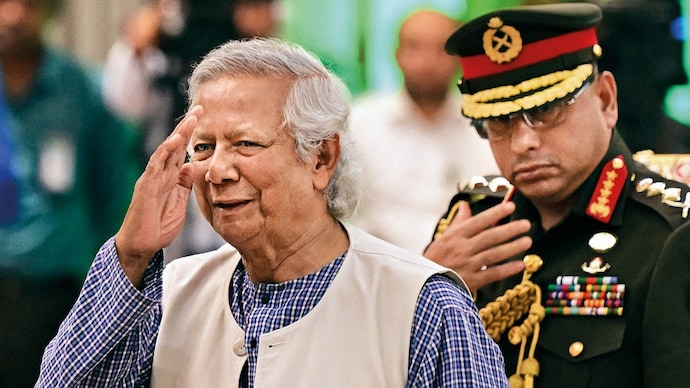
Bangladesh | The army pushes backThe Bangladesh army chief's call for an early election sparks fresh speculation on the fate of the Prof. Muhammad Yunus-headed interim government
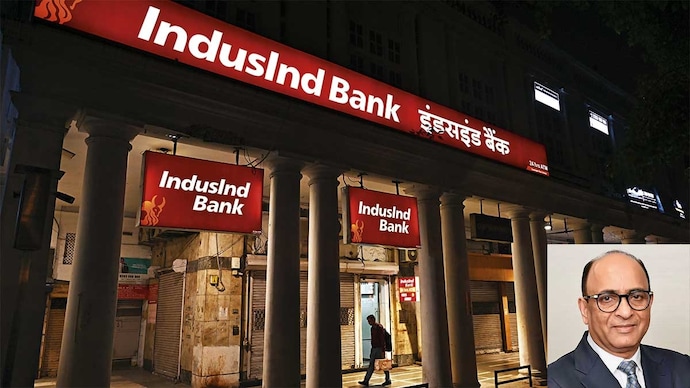
IndusInd Bank | Under a cloud of fraudRevelations of suspected fraud have cost India's fifth-largest lender, promoted by the Hindujas, more than just a Rs 2,300 crore quarterly loss. The bank's reputation has taken a severe hit, raising questions about its corporate culture
The real toll of Covid in India | Viewpoint by K. Srinath ReddyFresh Covid cases draw attention, but it’s the undercounted deaths from 2021 that demand urgent scrutiny and systemic reform
Lion census | Growing prideThe Asiatic lion population is on the rise in Gujarat and its habitats are expanding, reveals the 16th Lion Population Estimation carried out in May. Spanning 35,000 sq. km, the survey also throws up sobering facts about challenges this upswing poses
Sci-tech watch | Tracking Earth, inch by inchThe NISAR mission is a collaboration between NASA and ISRO.
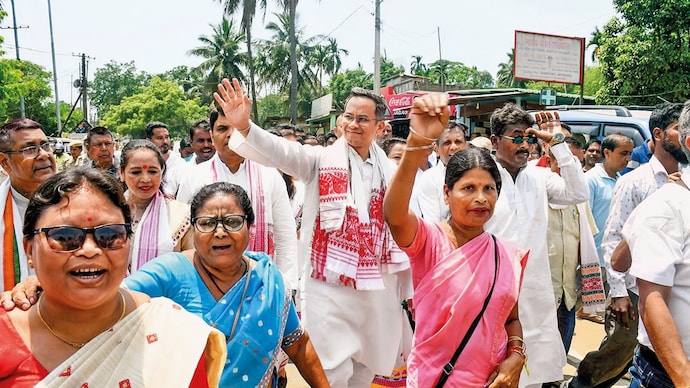
Assam | The Gogoi gambitThe Congress is going all in with MP and legacy heir Gaurav Gogoi in the battle for Assam against Himanta Sarma's BJP in 2026
Bihar | PK bids to be a third forcePrashant Kishor reshapes core team, blending caste calculus with credibility to position Jan Suraaj for the big poll fight
West Bengal | The Banerjees in a balanceMamata’s old guard and Abhishek’s reformist bloc strike a deal on who mans the districts to gear up for the uphill task of winning 2026 state polls
Punjab/Bihar | Battle of the TakhtsA bitter clash between two seats of Sikh authority exposes deep ideological and institutional rifts within the faith
Karnataka | Caste meter 2025Karnataka undertakes a survey of the state’s Scheduled Castes using a digital app developed in-house
Haryana | A dynastic dinThe fragmented Chautala brood fights over his Jat legacy, but it’s a grim hedge against irrelevance
Tamil Nadu | The age of disagreementThe ASI issues a stern decree to Tamil Nadu: do nottravel too far back in time with ancient Keezhadi
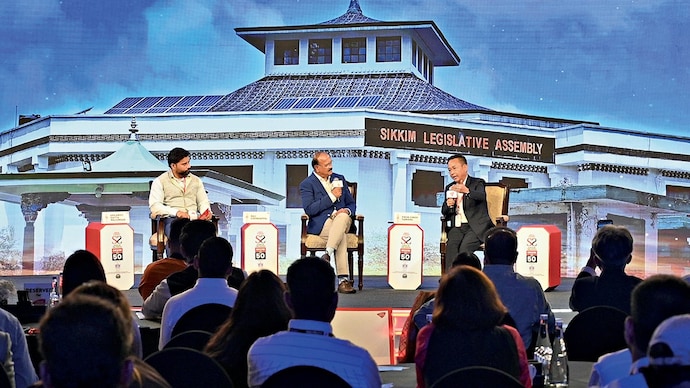
Sikkim @50 | A small state with big visionThe Sikkim@50 conclave showcased the Himalayan state's transformative journey, bold ambitions and its model of sustainable, inclusive development
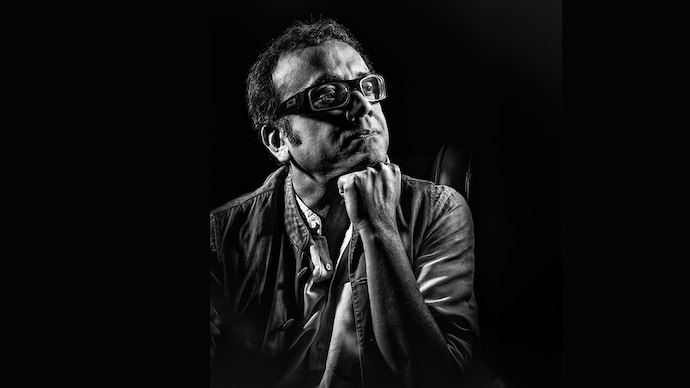
Dibakar Banerjee's cinema | Muted masterpieceFilmmaker Dibakar Banerjee talks about his yet-unreleased film Tees
Subhadra Mahajan’s 'Second Chance' | Healing in the HimalayasSubhadra Mahajan’s B&W feature—Second Chance—is finally hitting Indian theatres
The butterfly man | Chasing wingsA new documentary puts the spotlight on the remarkable life and work of Isaac Kehimkar, the ‘Butterfly Man of India’
Q & A with Deepa Bhasthi | “Banu writes in a language of the people”Deepa Bhasthi on translating Banu Mushtaq’s Heart Lamp, which won the 2025 International Booker Prize
Advertising | What’s in a label?Colonial-era advertisements come alive in ticket tika chaap, an exhibition of textile labels at MAP bengaluru
Indian art and photography exhibitions | The listicleArt and photography exhibitions to look out for this month
Q & A with Joshna Chinappa | Still smashingThirty-eight-year-old squash champion Joshna Chinappa’s win at the National Doubles Championships shows she’s still in fine form