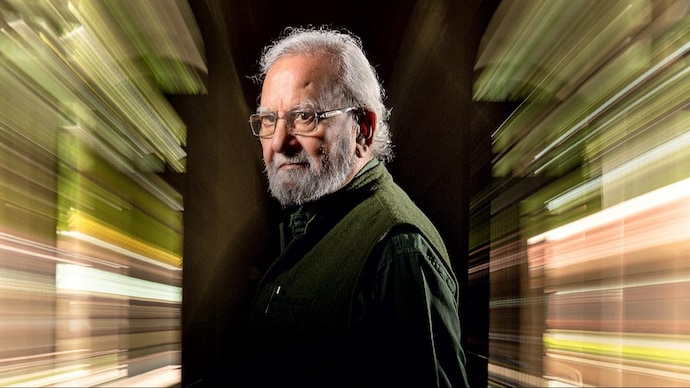
| When Kannada Chaluvali Vatal Paksha leader Vatal Nagaraj woke up one morning last week, there were two things on top of his mind: he wanted to cycle around Bangalore city at dawn to ensure that the state capital was shut down during the bandh that was called to "uphold Kannada pride"; and second, to measure the influence of the resurgent pro-Kannada bodies in the cosmopolitan city of Bangalore and elsewhere. Going around the city on for much of the day, Nagaraj had reasons to be pleased with the outcome of the 12-hour bandh. "It was a huge hit. Just goes to show how much love they have for Kannada," he says. A success it certainly was. Not only did the state Government tacitly support the bandh-apparently to protest the Centre's stepmotherly attitude towards solving the Belgaum border problem with Maharashtra-even infotech majors like Infosys, Wipro, TCS and others logged off for the day. The six-decade-old border dispute between Karnataka and Maharashtra is a recurring issue in the border district of Belgaum. The All India Marathi Literary Conference held in this city last year urged Maharashtra to approach the Supreme Court to decide upon the issue of merging Marathi-speaking areas of Karnataka -including Belgaum, Karwar and Nipani-with Maharashtra. Karnataka insists that these areas are well within the state. Chief Minister H.D. Kumaraswamy decided to have a special session of the legislature in Belgaum in September, as a mark of Kannada pride, and there are even talks of making the city a second capital of the state. The border dispute took an ugly turn on November 11 last year when Karnataka Rakshana Vedike (KRV) activists took the law into their hands and blackened the face of the then Belgaum mayor Vijay More during his visit to Bangalore. They blamed More for allowing the Belgaum City Corporation to pass a resolution recommending the merger of Belgaum with Maharashtra. The activists wanted the state government to deport More to Maharashtra and supersede the corporation. Down south, Kannada speaking people and organisations in the Kasargod district of Kerala, which borders Karna-taka, have also been demanding the merger of the northern areas of the district with Karnataka. Kannada Development Authority of Karnataka representative B.A. Idinabba says the 1966 Mahajan Commission recommendation of merging the areas north of river Chandragiri of Kasargod district is relevant even now. Kasaragod, which has a sizeable Kannada speaking population, became part of Kerala during the state reorganisation in November 1956. "It is the border controversies that inspired us to think of the bandh," says Nagaraj. It is another matter that the bandh brought the state to a halt. "But that is a small price to pay for your state pride," he counters. The latest offshoot of this resurgence of Kannada pride is the renaming of seven Karnataka cities. Come November 1, Bangalore will be known as Bengaluru, Mysore will become Mysuru, Mangalore will be known as Manaluru and Hubli will become Hubbali.  | | |  | | BELGAUM: The state government holds a special assembly session here to show that Belgaum is very much a part of Karnataka. | | KASARGOD: The Kannada speaking people of this Kerala district demand merger of its northern areas with Karnataka. | | QUOTA FOR JOBS: Kannada activists demand job reservation for locals even in private companies based in the state. | | There is a reason behind the sudden upsurge of Kannada pride. In an increasingly cosmopolitan Bangalore, native Kannadigas account for about 40 per cent of the seven million citizens. The ubiquitous "save Kannada" and "jobs for Kannadigas" posters in Kannada, pasted across the city, speak volumes about the growing resentment among the locals. Even a majority of the players in the information technology enabled services space are, by the definition of neo-Kannada activist, outsiders-be it Wipro chairman Azim Hasham Premji or MindTree's Ashok Soota or Software Technology Parks of India director B.V. Naidu. "Bangalore is a cosmopolitan city and the only language that has helped the it industry grow is the language of quality. We draw people from different languages, not necessarily one language," says Manthan Systems founder Atul Jalan, one of the hundreds of non-Kannadiga tech entrepreneurs in India's Silicon Valley who have benefitted from the largely non-parochial system that the city and the state have provided so far. "But we must respect the sentiments of the natives," he adds. "There is pressure on the locals as more and more jobs are being taken up by outsiders and naturally there is a feeling of resentment," says businesswoman and dancer Nandini Alva. The neo-Kannada groups are actually demanding job reservation and priority to locals even in the private sector. "We have recruits from all over the country but also employ a large section of locals," says Infosys chief mentor N. R. Narayana Murthy, who is against linguistic chauvinism of any kind.  | | PICTURE SPEAK |  |  | "It is the border controversies that inspired us to think of the bandh." VATAL NAGARAJ KANNADA CHALUVALI VATAL PAKSHA LEADER | | But KRV founder Narayana Gowda says everyone in Karnataka should appreciate the Kannada language and people. "We have tried the soft approach to remind people that this is the land of Kannadigas but they don't understand. That is why we are trying the hard methods of calling for dharnas or bandhs," says Gowda, who is emerging as a key figure in the nascent Kannada awareness movements. Another contentious issue is the unveiling of the 13th century Tamil poet Thiruvalluvar's statue near Bangalore Tamil Sangam. The issue has been dragged to the courts and the local police is always on alert fearing a clash between Tamils and Kannadigas over it. There were violent clashes even during late Rajkumar's kidnapping by sandalwood brigand Veerappan, a Tamilian. Tamils were also target of attack by locals in 1991, over sharing of Cauvery river water with Tamil Nadu. Last month, Kannada activism was taken to ridiculous heights when the government decided to shut down 1,416 English medium schools across the state as they were teaching English as a subject from class one. Shrill protests, particularly from industry leaders, forced the government to defer the closure to April next year. For the moment, Kannada chauvinists are happy, gearing up to celebrate the birth of Bengaluru. Index |